5 Employee Moments You're Still Managing Manually (but shouldn't be)

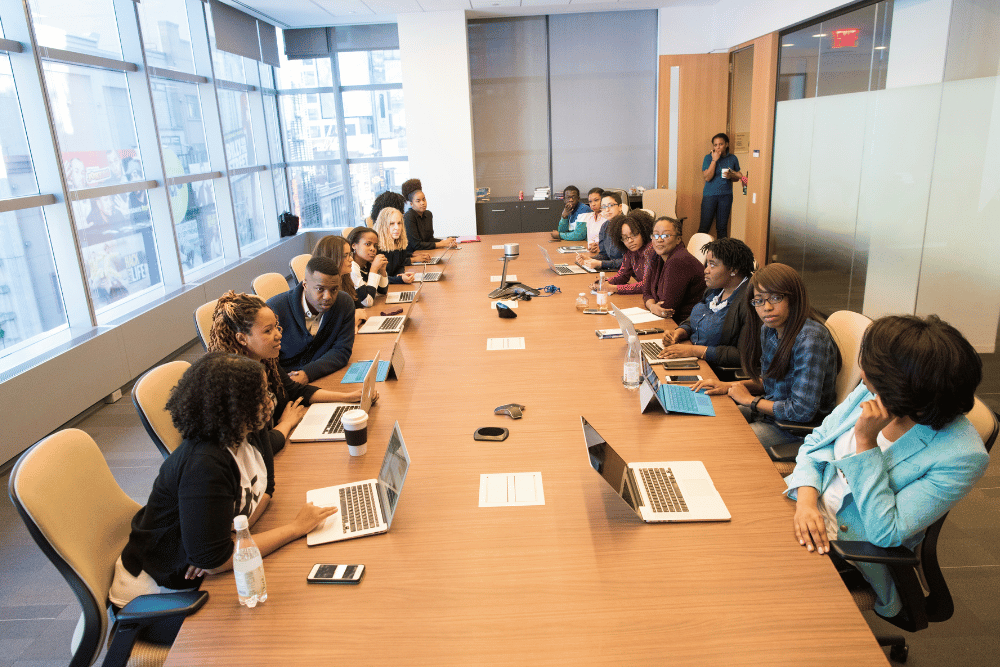
If your HR team is still tracking 30-60-90 onboarding check-ins on a calendar, anniversaries on a spreadsheet, and open enrollment campaigns on a manager email chain, you're not alone — but you are losing time you can't get back. Industry research suggests HR teams spend roughly half of their time on administrative work, and the moments below are where that time disappears.
Here are the five employee moments most HR teams are still managing manually in 2026, why each one quietly breaks at scale, and what changes when you automate the routine and keep the human touch where it counts.
Why are HR teams still doing so much of this by hand?
HR isn't supposed to be a ticketing system for employee moments. But in a lot of organizations, that's exactly what it has become. The work is real and important — onboarding, milestones, manager nudges, benefits campaigns, training recognition — but it's being run on spreadsheets, calendar reminders, and human memory. When that breaks (and it does), two things happen: HR ends up doing busywork instead of strategic work, and the employee experience becomes inconsistent because manual systems always break.
Quick takeaways
- HR spends roughly 40–60% of its time on administrative and compliance tasks, per industry estimates.
- Structured onboarding lifts new-hire retention by 50%, per SHRM research.
- Anniversaries celebrated late or inconsistently feel worse than not celebrating them at all.
- Manager reminders are the highest-leverage automation in HR — they unlock every other workflow.
- Open enrollment is a campaign, not a memo. Treating it like one cuts last-week scrambles.
- Training and certification recognition is one of the easiest places to reinforce values.
1. Onboarding follow-ups (the 30, 60, and 90-day check-ins)
The first 90 days are the highest-stakes window in the employee lifecycle. SHRM research finds that 69% of employees are more likely to stay three or more years with great onboarding, and structured programs lift new-hire retention by roughly 50%.
What goes manual: a People Ops manager keeps a master spreadsheet of new hires and start dates, sets calendar reminders for each 30/60/90 milestone, drafts a one-off Slack DM to the manager, and hopes the manager follows up. Multiply that by every new hire across every team, and the system breaks the moment HR has a busy week.
What automation looks like: a workflow that triggers on hire date, automatically nudges the manager 24 hours before each check-in window, prompts the new hire to complete a short reflection survey, and rolls the result up to a People Ops dashboard. Same human conversations, none of the manual tracking.
2. Anniversaries and milestone moments
Anniversaries celebrated five days late feel worse than not celebrating them at all — they read as an afterthought. As we cover in 30 thoughtful ways to celebrate work anniversaries, the day-of (or earlier) cadence is what makes the moment feel intentional.
What goes manual: a recurring "check anniversaries this month" task on a People Ops calendar, with someone manually pulling tenure data from an HRIS, drafting a Slack post, and pinging the manager.
What automation looks like: a milestones engine pulls anniversary data directly from your HRIS, posts to the right channel on the day, gives the team a one-click recognition prompt, and triggers a reward at predetermined tenure thresholds. For a deeper look at the structure that holds it together, see our guide to strategic employee service awards programs.
3. Manager reminders
Manager reminders are the most under-automated category in HR — and the highest leverage. Almost every HR program (recognition, performance, onboarding, engagement) depends on managers doing a small, predictable action at the right moment. Most of the time, no one reminds them.
What goes manual: a People Ops lead writes a weekly "don't forget to do X" Slack message, or a one-off email when something is overdue. Adoption is uneven and inversely correlated with how busy that week is.
What automation looks like: scheduled, contextual nudges that fire on the right trigger — "You have a 30-day check-in with Maria tomorrow," "Two team members have anniversaries this week," "Three people on your team haven't been recognized in 60 days." Predictable cadence, no human bottleneck.
4. Open enrollment campaigns
Open enrollment is a campaign, not a memo. The companies that run it well treat it like a marketing launch — with a calendar, segments, reminders, and follow-ups. Most run it like a single all-hands email and a panic week.
What goes manual: one announcement email at kickoff, then a flurry of one-off DMs in the final 72 hours when it becomes clear who hasn't enrolled.
What automation looks like: a multi-touch campaign that sends a launch message, a midpoint reminder, a personalized nudge to anyone who hasn't enrolled, and a final-day reminder — all branched by enrollment status pulled from the benefits system. The human conversations get reserved for the small set of people who actually need help with a decision.
5. Training and certification recognition
People finish a training module, earn a certification, complete a mandatory compliance course — and nothing happens. No acknowledgment, no public moment, no link back to the company values that made the training matter in the first place.
What goes manual: an LMS report run quarterly, with HR manually nudging the right manager to recognize the right person.
What automation looks like: an LMS-triggered workflow that fires the moment a course is completed, posts a values-tagged shoutout ("You completed Inclusive Leadership — that's #PeopleFirst in action"), and notifies the manager so they can add a personal note. For more on milestones worth honoring this way, see our list of 13 special occasions to honor your employees.
What HR can do with the time back
The point of automating these five moments isn't to remove humans from the equation — it's the opposite. Automate the predictable, repeatable parts so HR can spend its energy on the work only humans can do: coaching managers, supporting employees through hard moments, designing the next iteration of the engagement strategy. That's the trade we keep seeing succeed: routine moments handled automatically, special moments handled personally.


Frequently Asked Questions
What employee moments should HR automate first?
Start with the moments that fail most often when handled manually: 30/60/90-day onboarding check-ins, work anniversaries and tenure milestones, manager reminders, open enrollment campaigns, and training/certification recognition. These are the five that have the highest volume, the most predictable triggers, and the biggest impact on the employee experience when they go missing.
How much time do HR teams spend on administrative work?
Industry estimates put it at roughly 40–60% of total HR time, depending on company size and HR tech maturity. Deloitte and other analysts have cited figures as high as 57%. Automating predictable employee-moment workflows is one of the fastest ways to bring that number down.
Will automation make recognition feel less personal?
Only if you automate the wrong parts. The right pattern is: automate the trigger and the reminder (so the moment never gets missed), but keep the actual message human. Managers and peers should write the shoutout — automation just tells them when, who, and why. Done well, this combination is more personal than a manual system, because the moment never gets forgotten.
How does automating onboarding check-ins improve retention?
SHRM research finds that structured onboarding programs improve new-hire retention by roughly 50%, and 69% of employees are more likely to stay three years or more when onboarding is great. Automated check-ins guarantee that the structure actually happens, even on weeks when HR or the manager is slammed — which is exactly when manual systems break down.
What's the difference between an HRIS and an HR automation platform?
An HRIS is a system of record — it stores employee data, payroll, benefits, and core compliance information. An HR automation or workflow platform is a system of action — it uses HRIS data to trigger the right moments at the right time, route them to the right people, and close the loop. The two work together; the automation layer is what turns static employee data into an active, well-timed employee experience.