
Spot and prevent the next surprise resignation
Know which top performers are disengaging with a live map of engagement health and retention risk based on patterns, not just vibes
















Team-Level Signals
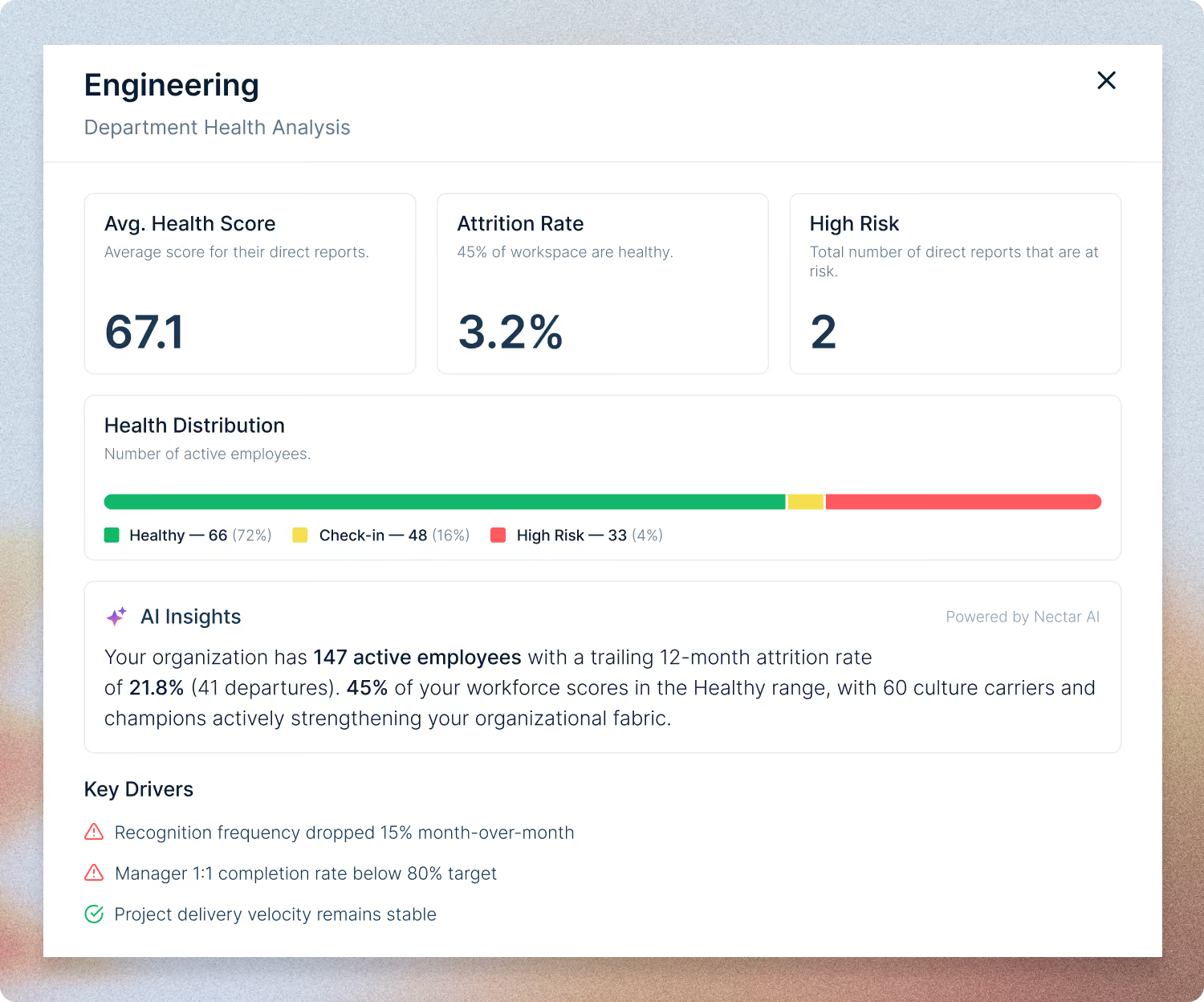
Executive dashboard
Health distribution across all five tiers, the trend over months, and a department table with average health score, attrition, and team size
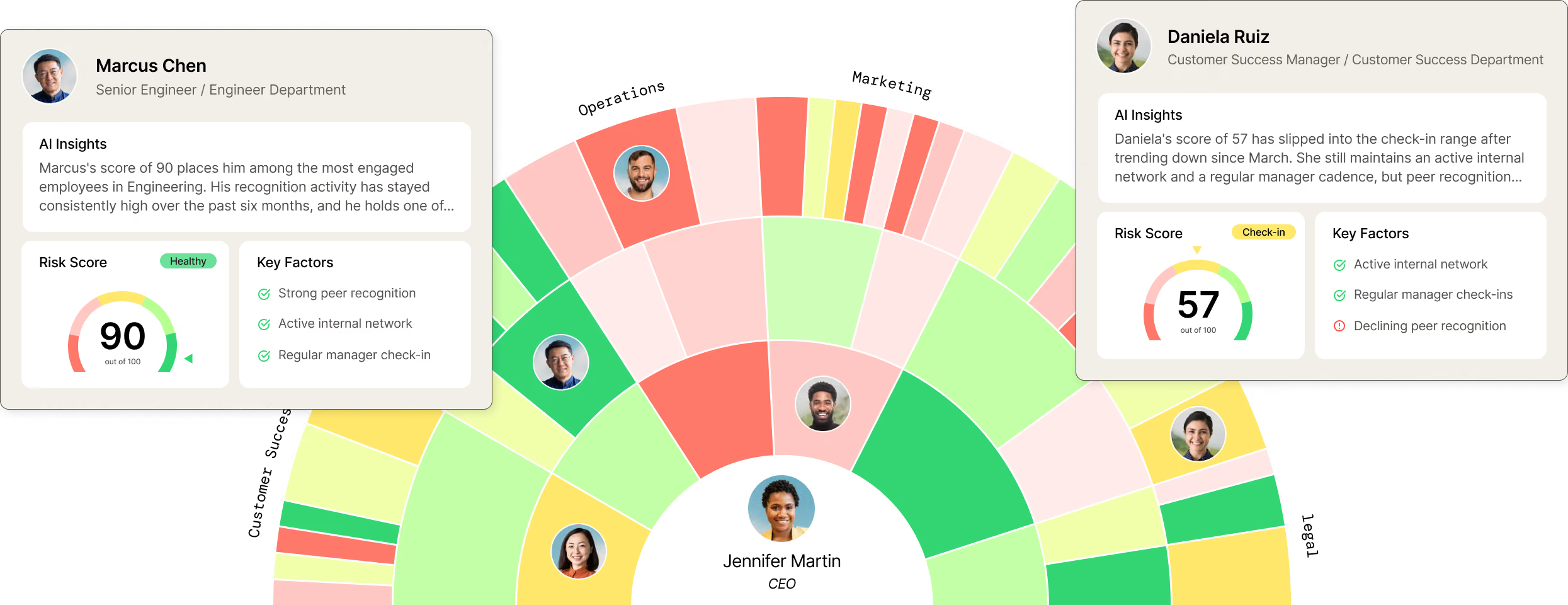
Org risk map
The entire company in a single visual so leaders spot which pockets of the org need attention in seconds
My team view
Health scores and trends filtered for each manager so signals reach the person who can actually act on it
Individual-Level Signals
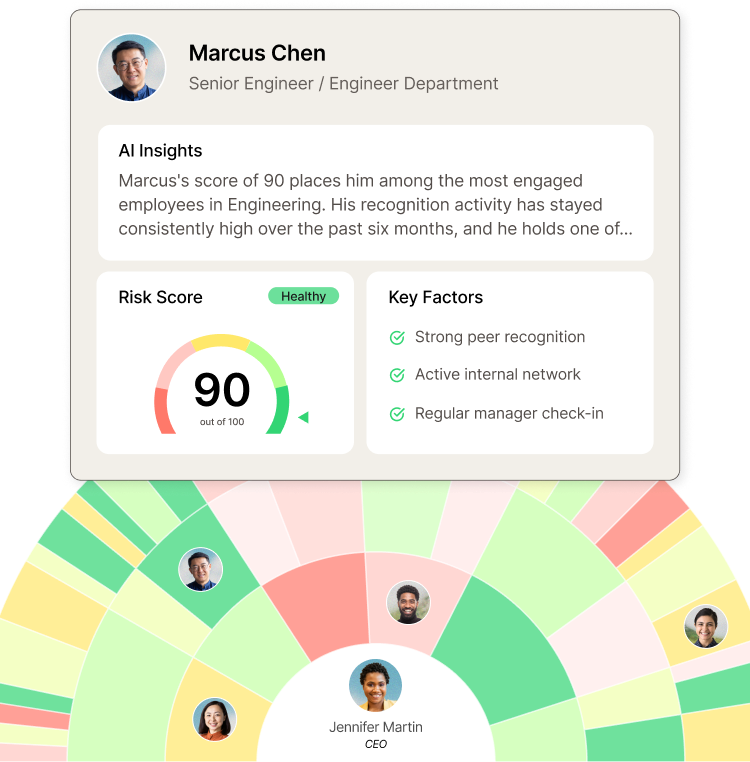
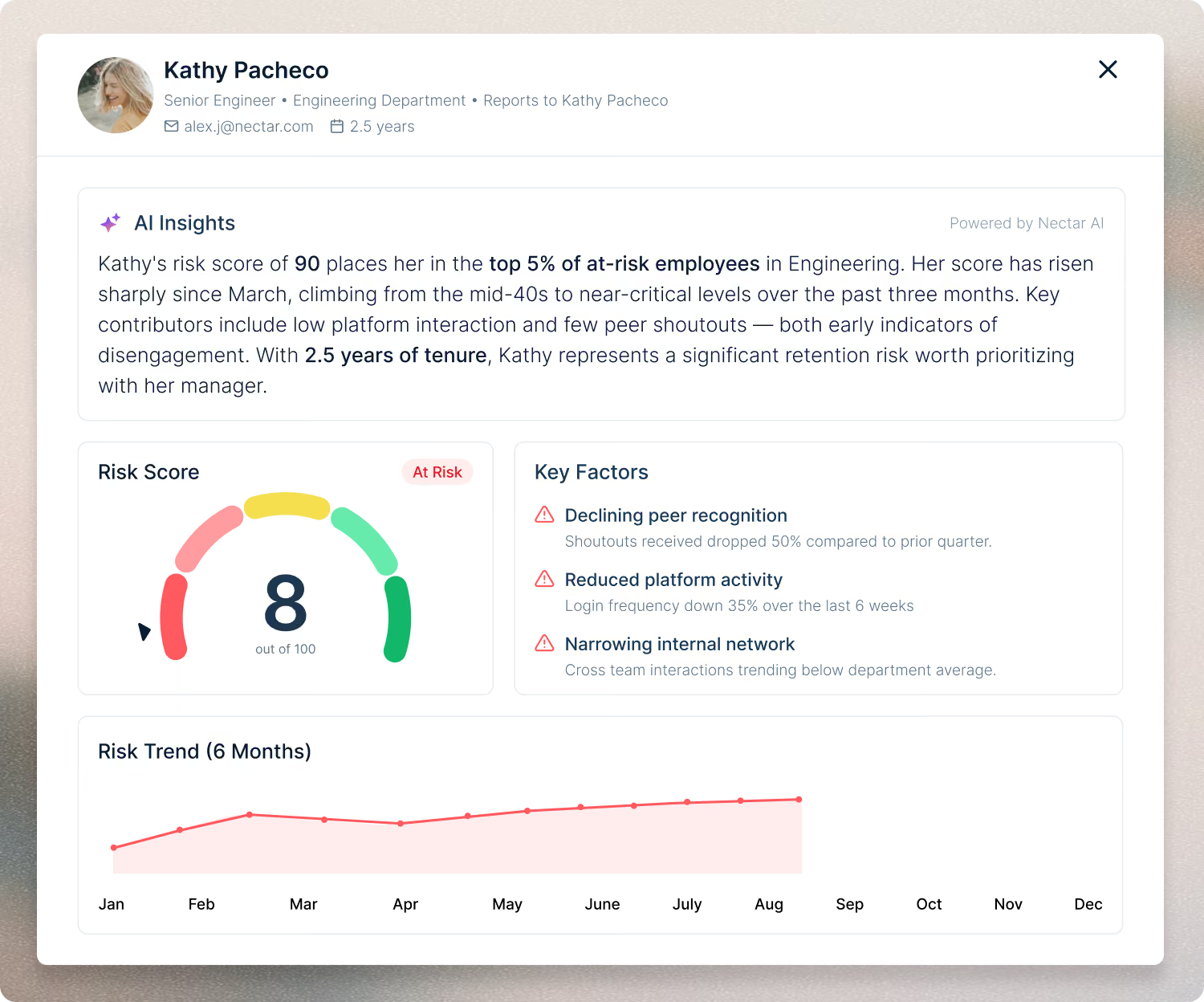
Key factors behind every score
See the exact behaviors moving someone's score, like declining peer recognition, reduced platform activity, or a narrowing internal network, each quantified against the prior period
Six-month trend
Follow the score over time so you can spot a gradual drift, not just today's snapshot
AI insights summary
Nectar AI turns the data into a plain-language readout of what changed, when it started, and the role and tenure context that makes it matter
Data Layer

Nectar Agents
See How Signals Works


FAQs
What is Nectar Signals?
Signals is the intelligence layer of the Nectar platform. It reads the workplace behaviors employees already create on Nectar, like recognition activity and platform participation, and turns them into a 0 to 100 health score for every employee, team, and department, so you can see engagement change as it happens instead of waiting for the next survey.
Does Signals predict who is going to quit?
No. Signals doesn't claim to predict the future; it shows you which employees are following the same behavioral patterns as employees who have already left. You see the pattern, the specific factors behind it, and the trend over time, and your managers decide what to do with that context.
What data feeds Signals? Is this employee surveillance?
Signals only uses voluntary, workplace-level activity that already lives in Nectar: public recognition, platform participation, and engagement with company programs. It never reads private messages or email, and it doesn't monitor screens, keystrokes, or anything outside the platform.
How is Signals different from our engagement survey?
Surveys are snapshots, and they start going stale the day results come in. Signals reads continuous behavior between surveys, so disengagement surfaces months earlier, while there's still time to act. It works alongside survey tools like Nectar Engage rather than replacing them.
Who can see Signals data?
Views are scoped by role: leaders see org-wide and department-level health on the Executive Dashboard, and managers see only their own team. Individual employee detail is limited to the people responsible for supporting that person.