Designing an Employee Benefits Strategy That Reinforces Company Culture

Peter Drucker famously said, “Culture eats strategy for breakfast.” Employee benefits sit right at that intersection, whether organizations realize it or not.
More HR teams are moving away from treating benefits as a fixed program and instead viewing them as part of the broader employee experience. Rather than offering the same benefits to everyone and calling it competitive, companies are paying closer attention to how needs change across roles, career stages, and life circumstances. The focus has shifted from simply what benefits to offer to how and when they show up for employees.
That shift matters. Employees today are quick to spot misalignment when benefits look good on paper but don’t work in practice. A strong employee benefits strategy isn’t about adding more; it’s about making intentional choices that:
- Reinforce culture
- Strengthen employee engagement
- Give people real reasons to stay
Why Employee Benefits Strategy Has a Direct Impact on Culture and Retention
Employee benefits do more than fill a page in your handbook. They shape how people feel about working at your company. When benefits reflect what employees actually value, like flexibility, health, time off, or growth, they build trust. When they don’t, employees notice just as quickly. Culture isn’t built through mission statements alone; it’s reinforced by the everyday policies that affect people’s lives.
That connection shows up clearly in the data. According to SHRM, employees who feel connected to their organization’s culture are nearly four times more likely to stay. Behind that number is a simple truth: people stay where they feel supported, listened to, and taken seriously. Benefits are often one of the clearest signals of whether a company truly means what it says.
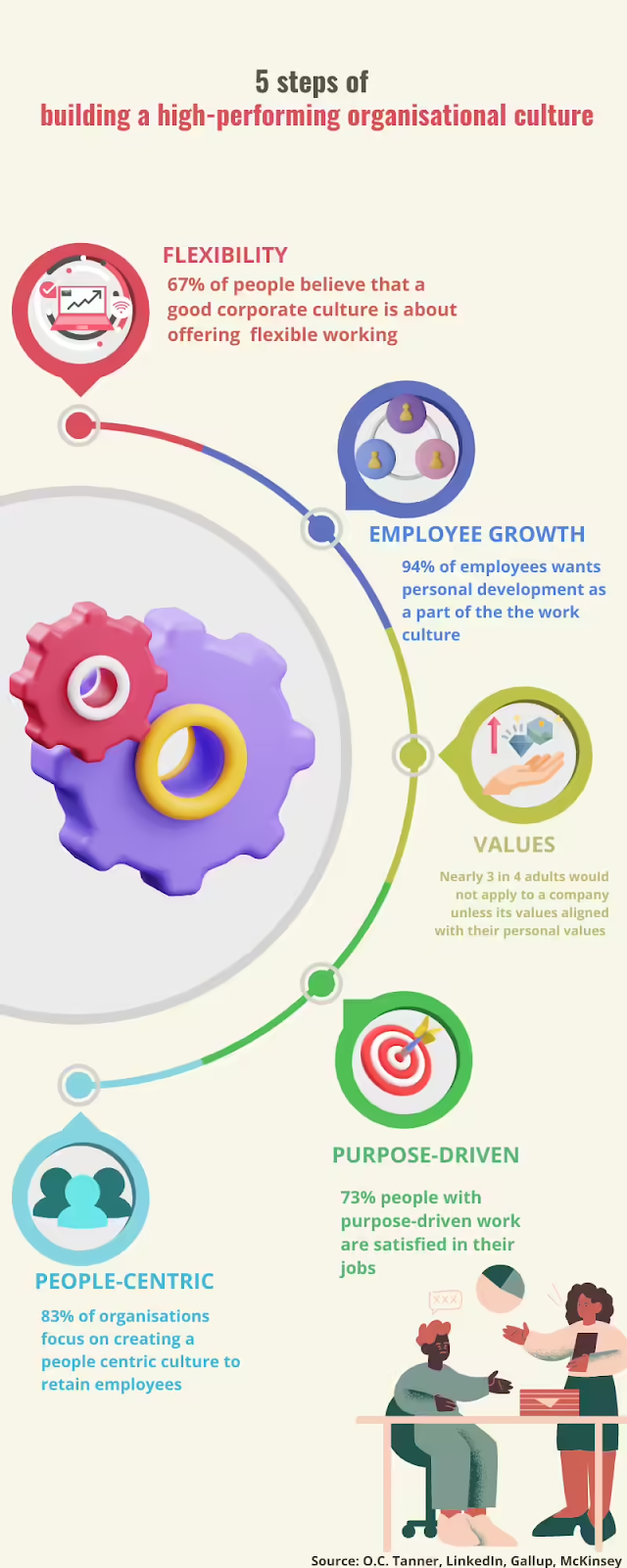
How to Design an Employee Benefits Strategy That Actually Works
Designing a benefits strategy isn’t about collecting perks or reacting to trends. It’s about making intentional choices that reinforce what your organization stands for and what your employees actually need. The most effective strategies follow a few core principles.
- Start With Your Values, Not a List of Perks
A benefits strategy should grow out of your values, not sit alongside them. If your values aren’t clear, your benefits will feel generic, no matter how competitive they look on paper. Values aren’t something you invent during a planning session; they already exist in how your team works, collaborates, and serves customers.
Before selecting or updating benefits, it’s worth stepping back and asking a simple question: What actually matters to our people at work? When benefits reflect those answers, they feel authentic. When they don’t, employees quickly sense the disconnect.
- Use Employee Feedback as an Input, Not a Final Check
One of the most common mistakes organizations make is treating employee feedback as a confirmation step instead of a design tool. Asking employees whether they like a finished benefits package is very different from asking what they need before decisions are made.
Feedback works best when it’s gathered early and openly. Surveys, roundtable discussions, and even simple prioritization exercises give employees a voice in shaping the strategy. Just as importantly, acting on that feedback shows employees they were heard. Asking and then ignoring input does more harm than not asking at all.
- Make Sure Your Benefits Back Up What You Say You Value
Employees don’t evaluate culture by reading value statements; they evaluate it through experience. If flexibility is a stated value, time off should be encouraged, not quietly discouraged. If health matters, wellness support should go beyond symbolic perks. If growth is important, development needs to be more than a talking point.
Employees are perceptive, and when benefits don’t match the message, it undermines credibility. A smaller set of well-supported benefits will always have more impact than a long list of promises that aren’t fully backed.
- Measure What’s Used and Revisit It Regularly
A benefits strategy shouldn’t be static. Tracking usage helps reveal what’s working, what needs better communication, and what may no longer be relevant. Low usage doesn’t automatically mean a benefit should be cut, but it does signal that something needs attention.
New tools, including AI-powered HR platforms, are making it easier to spot patterns in benefit usage and adapt offerings over time. These tools can help identify gaps, personalize benefits for different employee groups, and support more informed decisions.
Common Benefits Mistakes That Undermine Culture Instead of Strengthening It
A strong employee benefits strategy can reinforce culture and trust, but when it’s poorly executed it can just as easily send the opposite message.
Even Well-Intentioned Benefits Strategies Can Fall Apart in Execution
Most issues don’t come from bad intent. They come from shortcuts, assumptions, or a gap between what’s promised and what’s actually supported.
One of the most common mistakes is copying what other companies are doing. Competitive benchmarking has its place, but when benefits are designed by mirroring competitors or aspirational brands, they lose relevance quickly. What works for another organization may not work for your team, your structure, or your stage of growth. When benefits feel generic, employees treat them that way.
Overpromising and Underdelivering
Unlimited PTO is a good example. On paper, it sounds generous. In practice, if employees feel discouraged from using it or worry about how time off will be perceived, the benefit can backfire. The same applies to flexibility, wellness, or development benefits that exist in theory but aren’t supported in day-to-day behavior. When actions don’t match the message, trust erodes fast.
Flashy Perks Can Distract From What Employees Actually Value
Game rooms, office snacks, or novelty benefits may look appealing, but they rarely compensate for gaps in core support like healthcare, time off, or manageable workloads. Most employees prioritize substance over spectacle, especially when benefits impact their health, finances, or work-life balance.
Organizations Ask for Feedback and Then Fail to Act on It
This is one of the quickest ways to disengage employees. Gathering input raises expectations. When nothing changes, or changes occur without explanation, employees feel ignored rather than included. Even when every request can’t be addressed, transparency about decisions goes a long way in maintaining trust.
Avoiding these pitfalls doesn’t require a perfect benefits package. It requires:
- Consistency
- Follow-through
- Willingness to align benefits with real behavior
Building a Benefits Strategy That Supports Culture and Retention
The most sustainable strategies share a few things in common:
- They’re designed with intention
- They’re revisited regularly
- They’re measured based on real usage and impact
They evolve as the workforce grows and expectations change. Most importantly, they reflect what the organization actually stands for.
For HR leaders, this means shifting the conversation from “What benefits should we offer?” to “What do our benefits say about us?” When that question guides decision-making, retention becomes less of a challenge to solve and more of a natural outcome of a culture employees want to stay part of.If you are interested in more in-depth insights on this topic from Chad and Dean from OnTheClock, you can find them here.

Dean Mathews is the founder and CEO of OnTheClock, the easy-to-use employee time tracking, scheduling, PTO, and payroll app that helps over 16,000 small businesses and 180,000 people worldwide.
With over 20 years of experience designing and developing business applications, Dean views software development as a true art form. In his eyes, when a product is crafted with care and precision, it can touch lives, transform businesses, and make work better for countless people.
When he is not perfecting time tracking, Dean enjoys spending time with family and friends, and finding ways to make the world just a little better. You can connect with him on LinkedIn.